Ukutula guide · 6 min read
Is Ukutula Ethical? An Honest Look at Lion Interaction Tourism
It is a fair question and it deserves a straight answer rather than marketing copy. Here is the context, what the on-site programme does, and how to visit responsibly.

Ready to lock in a date? Live pricing, instant confirmation and optional Johannesburg transfers.
Book NowWhy the question exists
Lion interaction tourism in South Africa has a mixed history, and visitors are right to be sceptical of any facility that offers close contact without explaining what happens to the animals long term.
The responsible position is not to dismiss the concern, but to look at what a specific facility actually does — research output, animal management, and transparency with guests.
What Ukutula's programme involves
- An on-site conservation and research centre working on lion biology and genetics
- Collaboration with academic researchers and veterinary science partners
- Guided, capacity-limited interactions rather than unlimited public contact
- Guides who explain the science rather than treating animals as props
How to visit responsibly
- Follow every instruction your guide gives — the rules protect the animals as much as you
- Do not push for contact the guide has not offered
- Ask questions. A facility confident in its programme will answer them
- Keep noise down and give the animals space to disengage
Questions worth asking on the day
- What research is currently running here and who publishes it?
- How are the animals housed and managed outside guest hours?
- What happens to animals as they mature?
Frequently asked questions
Does Ukutula run a research programme?
Yes — a conservation and research centre operates on site alongside the visitor experiences.
Can I ask staff about animal welfare?
Absolutely, and you should. Guides expect and welcome those questions.
Is the lion walk stressful for the animals?
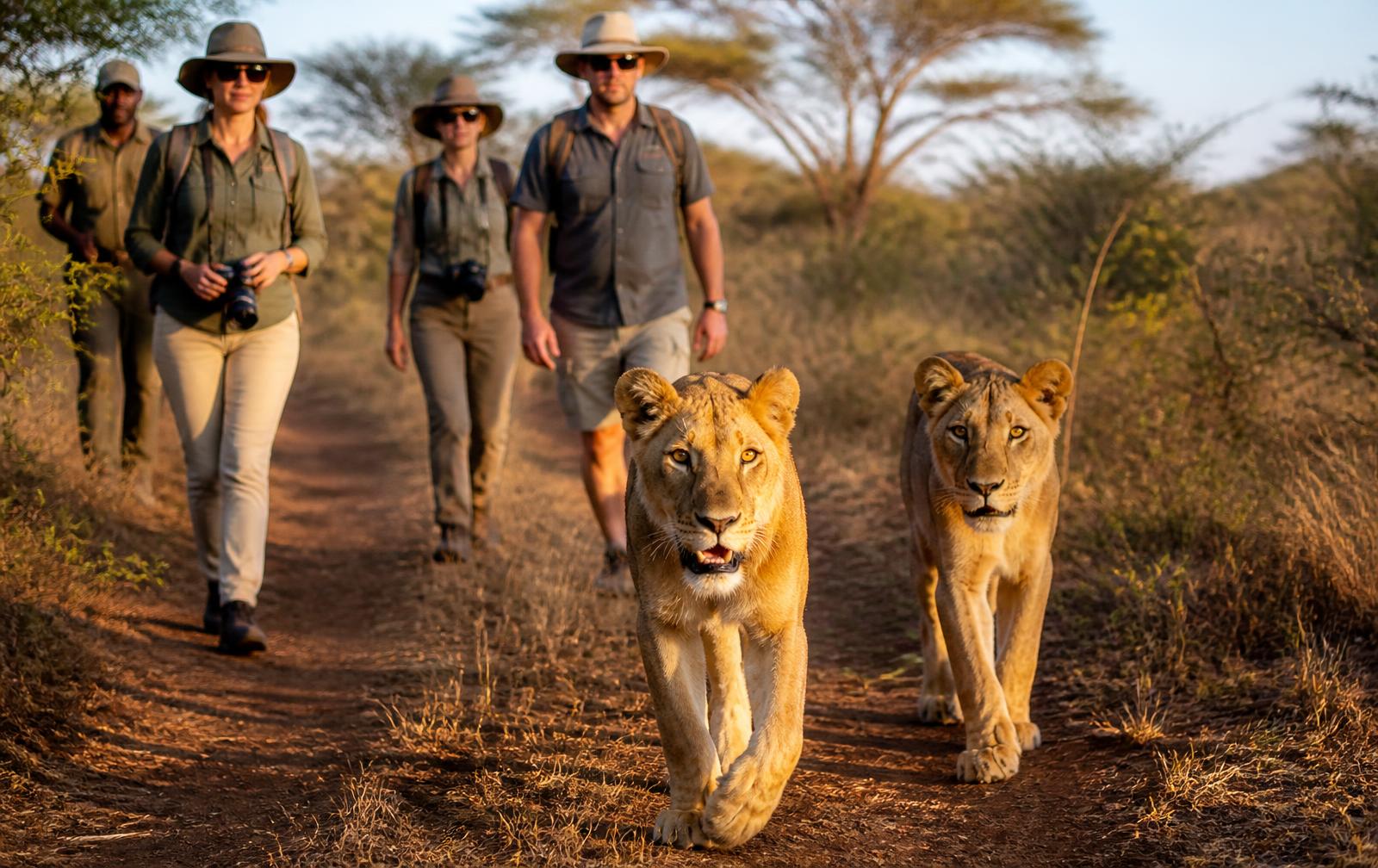
Walks are capacity-limited and guide-led, at the animals' pace, with strict guest rules to minimise disturbance.